Maximum Material Flow and Reduced Stress for Large Parts
What is Hot Forging?
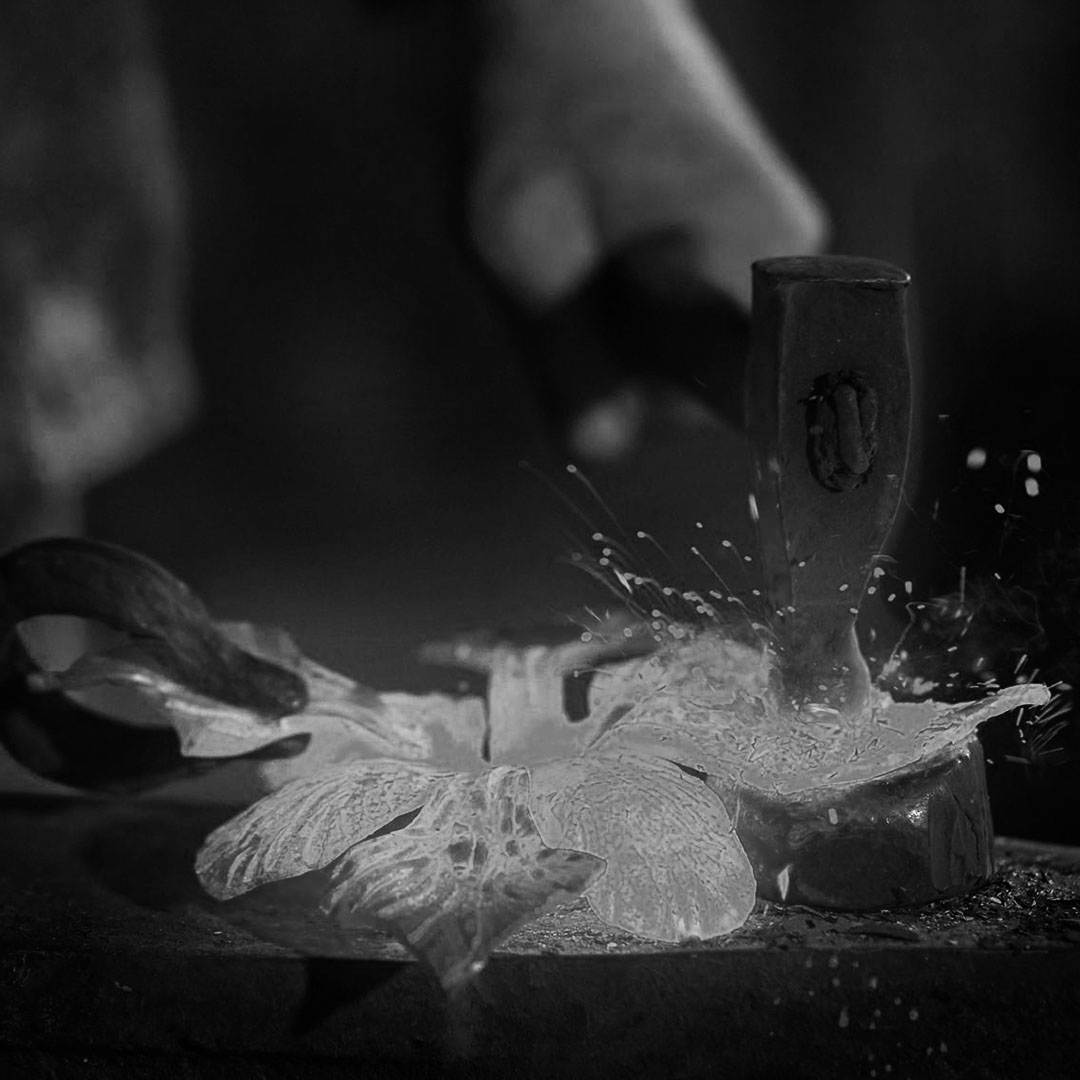
Metal is heated above its recrystallisation temperature (typically up to 1250∘C for steel) before being shaped by compressive force, allowing for extreme deformation and better flow of the material.
Key Advantages
Reduced Force Required: High temperature lowers the material's yield strength, reducing the power and size of the necessary forging equipment.
Elimination of Defects: The process eliminates porosity and improves the internal grain structure of the metal, resulting in maximum strength.
Complex Shapes: Allows for the creation of very intricate and large
Improved Ductility: Suitable for materials that are typically brittle at room
Material Grades Supported
Carbon and Alloy Steels
Stainless Steels
Aluminium and Copper Alloys
Use Cases
Large industrial components (crankshafts, connecting rods)
Turbine blades and jet engine parts
Heavy-duty truck axles and gears
Finishings
Normalising and annealing (cooling to relieve stress)
Machining (to achieve final tolerances)
Shot blasting
Cold Forging
Superior Dimensional Accuracy and Excellent Surface Finish
What is Cold Forging?
Metal is shaped at or near room temperature. This process increases the material's strength by strain hardening (work hardening), providing a better surface finish and exceptional dimensional control.
Key Advantages
High Dimensional Accuracy: Near-net shape production often eliminates or minimizes the need for secondary machining.
Superior Surface Finish: Produces clean, smooth surfaces, ideal for exposed
Increased Strength: Strain hardening during the process significantly improves tensile strength, yield strength, and fatigue life.
Material Waste Reduction: A highly efficient process that utilizes nearly all of the starting material.
Material Grades Supported
Low and Medium Carbon Steels
Non-ferrous alloys (Aluminum, Brass)
Use Cases
Automotive fasteners (bolts, rivets)
Hand tools and smaller gears
Components requiring high precision and strength
Finishings
No heat treatment required (as strengthening is achieved mechanically)
Surface finishing (polishing, plating)
Warm Forging
Balancing Precision, Strength, and Energy Efficiency
What is Warm Forging?
Metal is heated to a temperature below its recrystallization point (typically 750∘C to 950∘C for steel). This hybrid process combines the benefits of both hot and cold forging.
Key Advantages
Tighter Tolerances: Offers better dimensional accuracy than hot forging while still allowing complex shapes.
Lower Energy Consumption: Requires less heat than hot forging, reducing production costs.
Improved Material Flow: Allows medium carbon and low alloy steels to be formed more easily than in cold forging.
Material Grades Supported
Medium Carbon Steels
Low Alloy Steels
Use Cases
Automotive transmission components
Components that require a combination of high strength and good finish
Shafts and flanges
Finishings
Minimal finish machining
Heattreatment (for specific property enhancement)
Open Die Forging
Flexibility and Maximum Integrity for Unique and Large Components
What is Open Die Forging?
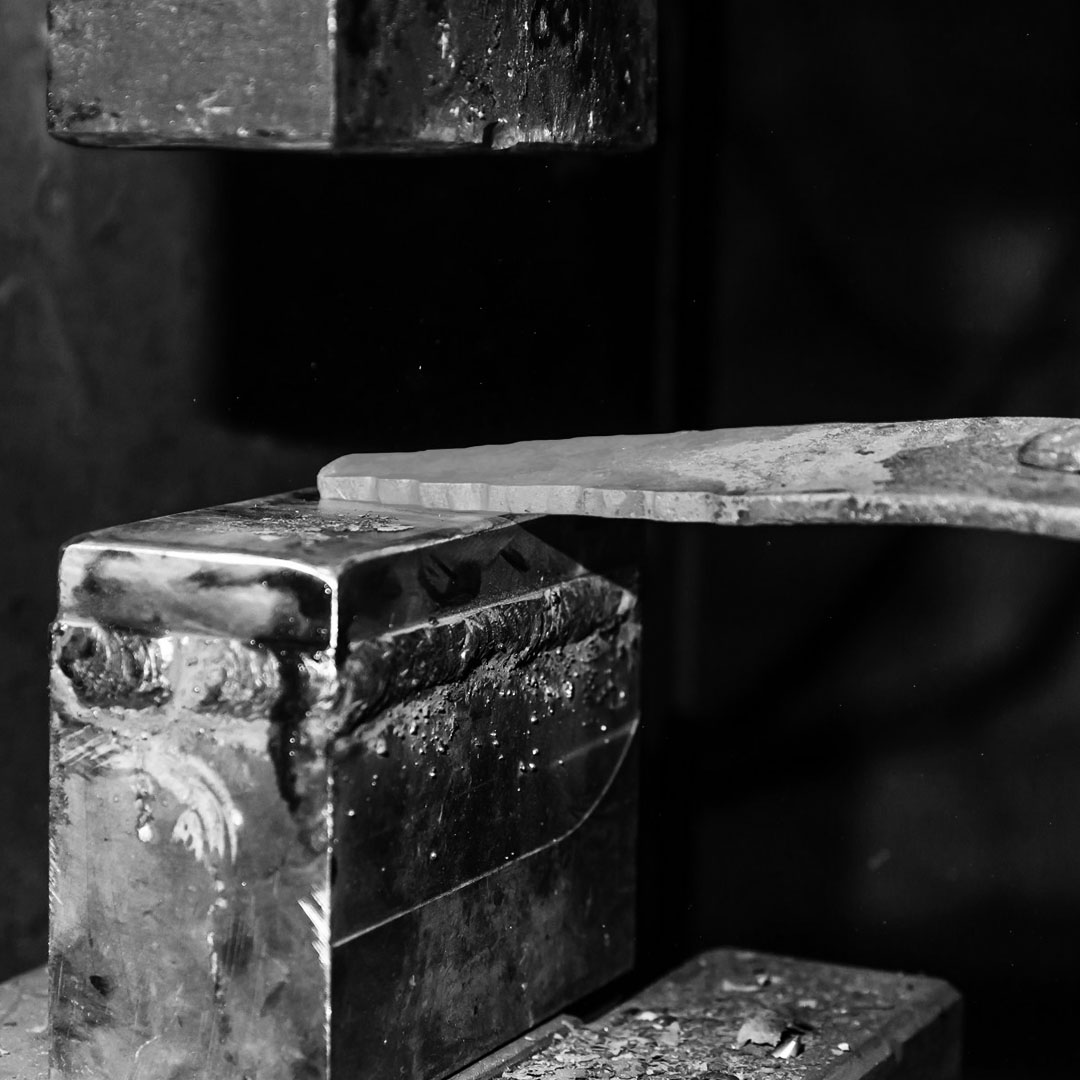
The metal is deformed between two flat or simple-shaped dies that do not completely enclose the workpiece. The metal is manipulated by the operator to achieve the desired shape.
Key Advantages
Structural Integrity: Refines the grain structure, providing excellent strength and fatigue properties.
Flexibility: Ideal for low-volume production, custom designs, and very large components, as specialized tooling is not required.
Cost-Effective Tooling: Simple, non-enclosing dies are cheaper and faster to manufacture than closed dies.
Large Capacity: Can produce parts weighing over 100,000 pounds (45,000 kg).
High Volume, High Precision, and Uniform Grain Structure
What is Closed Die Forging?
The metal is completely enclosed within the impression of two matching dies during deformation, forcing the material to fill the cavity exactly.
Key Advantages
Near-Net Shape: Produces components very close to the final dimension, minimising machining and material waste.
High Production Rate: Once the dies are set, the process is very fast, making it ideal for large batches.
Excellent Strength: The material flow follows the contour of the part, aligning the grain structure and maximising strength and resistance to impact and
Consistency: Delivers identical components from piece to piece, ensuring quality
Material Grades Supported
Carbon and Alloy Steels
StainlessSteel
Aluminum
Use Cases
Highly stressed automotive parts (connecting rods, steering knuckles)
Hand tools (wrenches, pliers)
Fasteners and aerospace fittings
Finishings
Minimal trim operation
Final machining ( for precise interfaces)
Hot Forging
Hot Forging
Maximum Material Flow and Reduced Stress for Large Parts
What is Hot Forging?
Metal is heated above its recrystallisation temperature (typically up to 1250∘C for steel) before being shaped by compressive force, allowing for extreme deformation and better flow of the material.
Key Advantages
Reduced Force Required: High temperature lowers the material’s yield strength, reducing the power and size of the necessary forging equipment.
Elimination of Defects: The process eliminates porosity and improves the internal grain structure of the metal, resulting in maximum strength.
Complex Shapes: Allows for the creation of very intricate and large
Improved Ductility: Suitable for materials that are typically brittle at room
Material Grades Supported
Carbon and Alloy Steels
Stainless Steels
Aluminium and Copper Alloys
Use Cases
Large industrial components (crankshafts, connecting rods)
Turbine blades and jet engine parts
Heavy-duty truck axles and gears
Finishings
Normalising and annealing (cooling to relieve stress)
Machining (to achieve final tolerances)
Shot blasting
Cold Forging
Cold Forging
Superior Dimensional Accuracy and Excellent Surface Finish
What is Cold Forging?
Metal is shaped at or near room temperature. This process increases the material’s strength by strain hardening (work hardening), providing a better surface finish and exceptional dimensional control.
Key Advantages
High Dimensional Accuracy: Near-net shape production often eliminates or minimizes the need for secondary machining.
Superior Surface Finish: Produces clean, smooth surfaces, ideal for exposed
Increased Strength: Strain hardening during the process significantly improves tensile strength, yield strength, and fatigue life.
Material Waste Reduction: A highly efficient process that utilizes nearly all of the starting material.
Material Grades Supported
Low and Medium Carbon Steels
Non-ferrous alloys (Aluminum, Brass)
Use Cases
Automotive fasteners (bolts, rivets)
Hand tools and smaller gears
Components requiring high precision and strength
Finishings
No heat treatment required (as strengthening is achieved mechanically)
Surface finishing (polishing, plating)
Warm Forging
Warm Forging
Balancing Precision, Strength, and Energy Efficiency
What is Warm Forging?
Metal is heated to a temperature below its recrystallization point (typically 750∘C to 950∘C for steel). This hybrid process combines the benefits of both hot and cold forging.
Key Advantages
Tighter Tolerances: Offers better dimensional accuracy than hot forging while still allowing complex shapes.
Lower Energy Consumption: Requires less heat than hot forging, reducing production costs.
Improved Material Flow: Allows medium carbon and low alloy steels to be formed more easily than in cold forging.
Material Grades Supported
Medium Carbon Steels
Low Alloy Steels
Use Cases
Automotive transmission components
Components that require a combination of high strength and good finish
Shafts and flanges
Finishings
Minimal finish machining
Heattreatment (for specific property enhancement)
Open Die Forging
Open Die Forging
Flexibility and Maximum Integrity for Unique and Large Components
What is Open Die Forging?
The metal is deformed between two flat or simple-shaped dies that do not completely enclose the workpiece. The metal is manipulated by the operator to achieve the desired shape.
Key Advantages
Structural Integrity: Refines the grain structure, providing excellent strength and fatigue properties.
Flexibility: Ideal for low-volume production, custom designs, and very large components, as specialized tooling is not required.
Cost-Effective Tooling: Simple, non-enclosing dies are cheaper and faster to manufacture than closed dies.
Large Capacity: Can produce parts weighing over 100,000 pounds (45,000 kg).
High Volume, High Precision, and Uniform Grain Structure
What is Closed Die Forging?
The metal is completely enclosed within the impression of two matching dies during deformation, forcing the material to fill the cavity exactly.
Key Advantages
Near-Net Shape: Produces components very close to the final dimension, minimising machining and material waste.
High Production Rate: Once the dies are set, the process is very fast, making it ideal for large batches.
Excellent Strength: The material flow follows the contour of the part, aligning the grain structure and maximising strength and resistance to impact and
Consistency: Delivers identical components from piece to piece, ensuring quality
Material Grades Supported
Carbon and Alloy Steels
StainlessSteel
Aluminum
Use Cases
Highly stressed automotive parts (connecting rods, steering knuckles)